

Choosing the right safe relocation company matters as much as the move itself, because the equipment, planning and insurance behind the crew decide how safely your safe reaches its new spot.
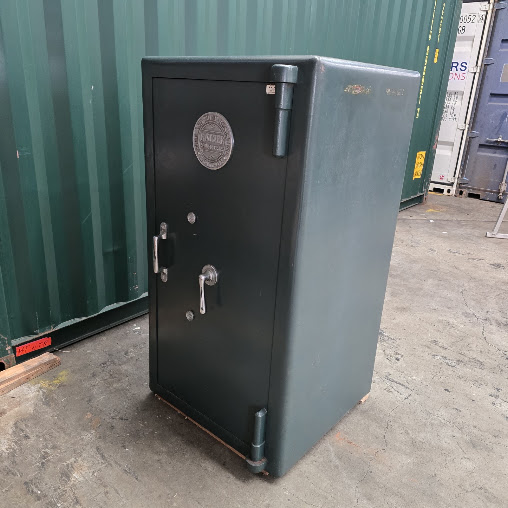
A safe doesn’t move like other furniture does; its weight sits in the walls and door. Plus, it has no handles, and many units are bolted to the floor or wall.
Safe relocations in Sydney bring their own challenges on top of that, from narrow terrace staircases in the inner city to steep driveways in the Blue Mountains and acreage properties on the Central Coast. A move that looks simple on paper can turn into a serious risk once the safe is actually on the move. DIY attempts usually run into the same problems: injured backs and fingers, cracked tiles, maybe dented doorframes and a safe that no longer locks properly.
Heavy safe removals calls for the right equipment, a planned route and a crew that has done the job before, whether the address is in Sydney, Wollongong, the Southern Highlands or anywhere in between. This guide explains what makes a safe relocation different, what the risks are and what to look for in a professional crew.
On this page
What Makes Safe Relocations Different
Before looking at why it’s crucial to hire professionals for safe relocations in Sydney, it helps to know that not all safes behave the same way. A gun safe, a fireproof unit and a bank-grade model each bring their own weight, fixings and handling challenges. None of them move like household furniture, and that’s one of the biggest things that sets a safe apart.
What sets a safe apart:
- No handles or grip points on smooth steel sides
- Weight concentrated in the walls and door, which makes it tip easily
- Often bolted to the floor or wall, so fixings have to come off first
- Can weigh up to 1.5 tonnes, far beyond what a trolley and a few hands can manage
- Cannot be dismantled, so it has to clear every doorway and turn in one piece
The Risks of Moving a Safe Yourself
The traits that set a safe apart from other furniture also reveal some of the risks that come attached to it when you try moving it with DIY. To a handful of people, some equipment seems good enough to try once, since it wouldn’t cost anything. But that’s when the hidden risk is lingering.
The main risks:
- Injury: A safe that starts to tip won’t stop, and crushed fingers, trapped feet and strained backs are common outcomes, especially on stairs.
- Damage to the safe: A hard knock can bend the door, jam the lock or throw a keypad out of order.
- Damage to the property: Dragging or dropping a safe cracks tiles, gouges floorboards and splinters doorframes.
- Getting stuck: Narrow hallways and tight doorways leave little room for a bulky unit, and a wedged safe is hard to free without damage.
What Professional Safe Relocation Involves
A professional job answers each risk from the last section with a specific step. Before anything moves, the crew checks the safe’s weight, type and access at both ends, so the plan is built around the real job, not a guess. The route gets checked next: doorways, stairs and tight turns, all walked through before the safe is lifted.
What happens on the day:
- Equipment matched to the safe’s actual weight
- Bolted fixings freed without damaging the unit or the floor
- Floors, walls and doorframes protected along the route
- The safe secured in transit so it can’t shift
Take a cast iron bathtub as an example. It’s not safe, but it shares the same problem: dense, heavy and awkward to grip, with no easy way through a standard doorway. A bathtub mover handling that tub works through the same checks, weight, access, and equipment before the tub leaves the house. It’s the same discipline applied to a different object, which is why one experienced crew handles both well.
What to Look for in a Safe Relocation Company
A safe relocation goes wrong in a handful of predictable ways, and most of them trace back to the company, not the safe. That’s why choosing someone who isn’t just good on paper but is actually reliable matters. Here are four things that separate a reliable choice from a risky one.
Insurance. A safe can crack tiles, dent a doorframe or damage itself on the way out. Insurance decides who covers that cost, so it matters more than almost anything else on this list.
Experience. Home, office, gun and bank safes don’t behave the same way. A company that has handled all of them brings judgement a general mover won’t have.
Services. Some jobs need more than a lift and carry, such as freeing bolted fixings or coordinating a locked safe. A company that covers the full job avoids gaps between what’s promised and what’s delivered.
Support. Clear communication before and during the move, from the first quote to the final placement, shows whether a company stands behind its work.
Sydney Safe Removals have been built around these exact points. The team carries full insurance, has handled home, office, gun and bank safes for over 20 years, and manages the job from pickup to placement. If a safe needs to move to Sydney, the Blue Mountains, the Central Coast, Wollongong or the Southern Highlands, the experience is already there.
Questions to Ask a Safe Relocation Company Before You Book
A short conversation before booking tells you a lot about a safe relocation company. These are the questions worth asking, and the answers a specialist should be comfortable giving.
Do you move safes as your main work?
General removalists move safes occasionally; specialist safe movers do it every day. Sydney Safe Removals has more than 20 years of experience moving home, office, gun, fireproof and bank safes up to 2 tonnes, plus heavy and fire-resistant filing cabinets. You can read how we approach each job on our safe relocations Sydney page.

What will you need from me to quote?
A good safe relocation company asks for the safe’s make or approximate size and weight, photos of the safe and the access at both ends, the number of steps or stairs, and whether the safe is bolted down. Those details decide the equipment and how the move is planned, which is why a reliable quote is based on them rather than a flat guess.
What equipment do you use on stairs and slopes?
Ask how the crew handles steps, steep driveways and tight turns. Purpose-built equipment such as stair-climbing trolleys and pallet jacks, together with floor protection, is what keeps a heavy safe controlled. For the heaviest units, our heavy safe removals service is planned around that equipment from the start.
Are you insured, and what does it cover?
Any safe relocation company you book should be fully insured and happy to say so in writing. Lifting heavy loads is a recognised workplace hazard, and SafeWork NSW guidance on hazardous manual tasks explains why trained crews and the right equipment matter on jobs like this.

If you would like answers to these questions for your own safe relocation, send the details through our free quote form or call 0415 268 521.
Why Choose Sydney Safe Removals?
Twenty years in the trade has put the team in front of most situations a safe relocation can present, from a gun safe bolted into a garage floor to a bank unit wedged into a tight office. That experience shapes how each job runs. The safe gets properly assessed before anything is booked in. The equipment is chosen to match the actual weight — not a rough guess. And the crew carrying it down a staircase has done it often enough to know where things usually go wrong.
Coverage reaches well beyond the inner city, out to the Blue Mountains, Central Coast, Wollongong and the Southern Highlands, so a regional job gets treated with the same care as one in the Sydney CBD. The same equipment and experience apply to other heavy items too — including bathtubs — so one booking can sometimes cover more than a single move.
For a quote, call 1300 24 26 70 or 0415 268 521, or email enquiry@sydney-safe-removals.com.au.
Frequently Asked Questions (FAQs)
1. How much does a safe relocation cost in Sydney?
The cost depends on the safe’s weight, access and distance. Sydney Safe Removals provides a quote once these details are confirmed.
2. Can you move a safe without emptying it first?
No. Sydney Safe Removals recommends emptying the safe first, since contents add weight and increase the risk of damage.
3. Do you move safes on weekends or on short notice?
Availability depends on the schedule, so it’s best to call Sydney Safe Removals directly to confirm a suitable date.
4. Can a locked safe be relocated without opening it?
Yes. Sydney Safe Removals can move a locked safe, but the team should be told in advance so the lift can be planned properly.
5. Do you provide packing materials or protection for the safe itself?
Yes. Sydney Safe Removals wraps and pads safes during transit to prevent scratches and damage.