

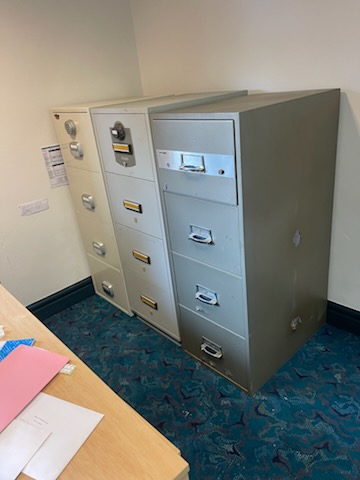
Moving a safe or a heavy cabinets is not the same job as moving furniture. The weight is different, the risk is different, and the margin for error is considerably smaller.
Most people find this out somewhere between lifting and realising the safe is not going anywhere without the right equipment and the right people behind it. The mistakes that happen during these moves are not random or unpredictable. Equipment gets underestimated, weight gets underestimated, and access points are never measured before the job starts.
That is where professional safe movers make the difference. The right team arrives with equipment sized for the job, knows how to assess access points before anything moves, and handles the relocation without the guesswork that turns a straightforward job into an expensive problem.
Assess the Safe or Cabinet Before Moving
A proper pre-move assessment for a safe or heavy cabinet would involve
- checking the make and model to confirm the actual manufacturer weight
- identifying the type of lock and whether the safe needs to be in a specific orientation during transport
- checking the floor type on the route for load-bearing capacity
- confirming whether the destination has the same access conditions as the pickup point
Assessing all of that matters because safe relocation does not allow much room for surprises once the job is underway. The assessment is what makes the difference between a move that finishes on time and one that does not finish the way anyone intended.
Plan the Relocation Route
Once the safe has been assessed, the route it needs to travel gets the same attention. Every doorway, corridor, staircase, and turning point between the safe’s current position and the truck is measured and walked before any equipment comes out.
Other than that, outdoor conditions matter too because the path between the building exit and the vehicle determines what ground equipment is needed and how the loading is managed. Planning it properly before the job starts is what keeps the move on track from the first step to the last.
Use the Right Moving Equipment
The equipment used for safe relocation is not the same as what a general removaist carries.
Standard furniture dollies and moving straps are not built for loads that can exceed several hundred kilograms. That also means the wrong equipment on a heavy safe can damage the floor and even hurt people.
Professional safe movers work with equipment selected specifically for the job
- Heavy-duty skates and rollers that distribute the weight of the safe across the floor without concentrating pressure on a single point
- Powered stair climbers that handle staircases in a controlled sequence rather than relying on manpower alone
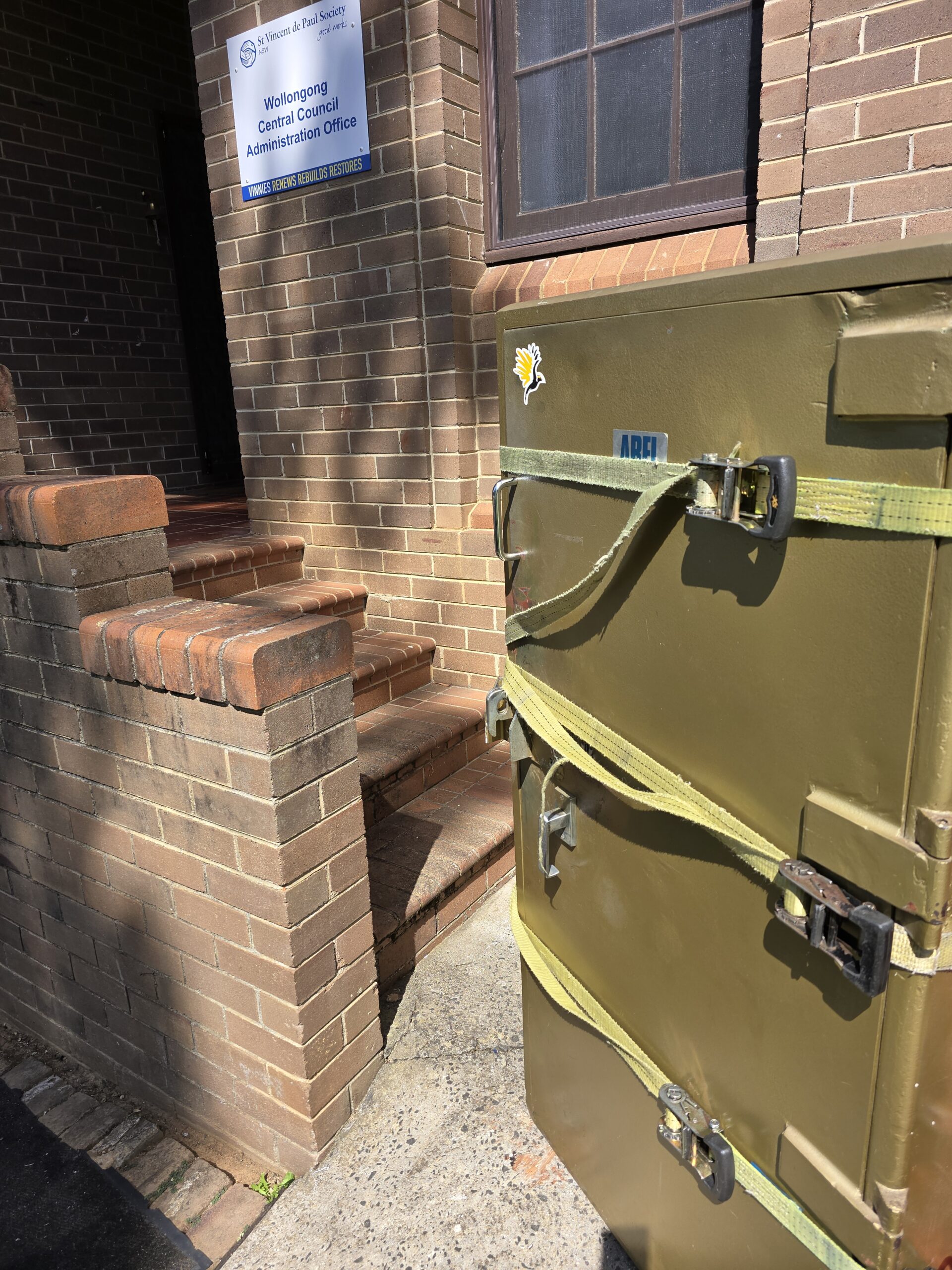
- Custom rigging, including chains, straps, and slings rated for the specific load being moved
- Floor protection boards laid across the entire route before the safe moves a centimetre
- Hydraulic tailgates for loading and unloading without dropping the safe from height
Prepare Safes and Heavy Cabinets
Preparation is what separates a smooth safe relocation from one that runs into avoidable problems halfway through. Before anything moves, these steps need to be done:
- Remove all contents — loose items shift during transport and create unpredictable weight distribution
- Secure the door — a safe door that swings open mid-move changes the load balance instantly and creates a serious risk
- Remove internal shelving from heavy cabinets where possible to reduce weight and prevent components shifting
- Wrap the exterior with protective blankets or foam to protect the safe and every surface it passes
- Confirm the lock is engaged before the safe leaves its position, particularly if a staircase is involved
Each of these takes minutes. Skipping any one of them is where damage tends to happen.
Know When to Hire Professional Safes Movers
Safe relocation looks manageable until it is not. Most people only move a safe once or twice in their life, which means they have no reference point for how quickly it can go wrong. Here is when professional safe movers are not optional.
The Safe Weighs Over 100 Kilograms
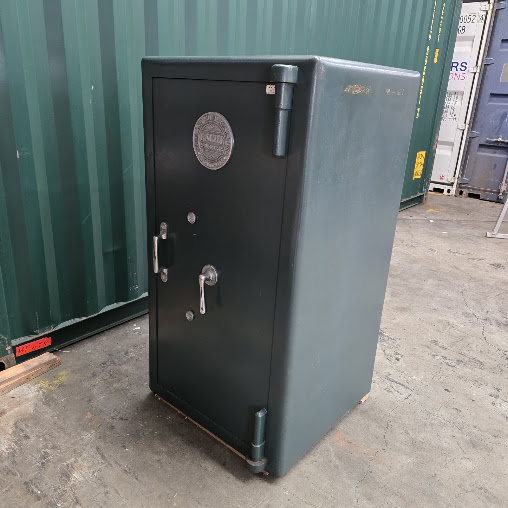
Home safes typically sit between 100 and 300 kilograms, with gun safes and commercial vaults going well beyond that. Knowing how the load shifts on a staircase and what happens when an unsecured safe starts to tip is knowledge built over hundreds of jobs, not something learned on the day.
The Job Involves Stairs or Restricted Access
Weight on a flat surface is one problem. Weight on a staircase is another entirely. Without powered equipment and a trained team controlling the descent, the consequences show up fast.
The Safe Is Bolted Down
Anchor removal requires specific tools that will not crack the surrounding floor or damage the fixing points. Getting the extraction wrong damages the safe, the floor, and occasionally the wall behind it.
Your Property or Contents Are Not Insured for DIY Removal
Attempting the move without a fully insured specialist can give an insurer grounds to dispute a claim if something goes wrong. Every job handled by Sydney Safe Removals is fully insured, covering the safe, the contents, and the property along the entire route.
Professional safe movers arrive with everything the specific job requires because the preparation happens before the truck pulls up, not after. Sydney Safe Removals has been handling heavy safe and cabinet relocations across Sydney for over 20 years. Get in touch for a straightforward quote before the move begins.
When DIY Can Become a Real Risk
Attempting a safe relocation without the right equipment and experience is where most of the avoidable damage in this industry comes from. A safe that tips during a move can cause crush injuries that have nothing to do with carelessness and everything to do with physics. Floors get scratched, doorframes get damaged, and in Sydney apartment buildings, that damage can extend to common areas and trigger body corporate claims that cost considerably more than a professional removal would have.
The financial risk compounds it. Some home and contents policies include conditions around how high-value items are handled during a move. An uninsured removalist or a DIY attempt gone wrong can give an insurer grounds to dispute a claim on the safe and its contents. The cost of getting it wrong almost always exceeds the cost of getting it right from the start.
Conclusion
Safe and heavy cabinet relocation is not a job that rewards improvisation. The weight, the access conditions, and the consequences of getting it wrong all point in the same direction: this is specialist work that needs specialist people and the right equipment behind it.
The tips covered in this blog – assessing the safe before anything moves, planning the route, using the right equipment, preparing properly, and knowing when to call in professionals – are what separate a clean, incident-free removal from one that costs more than it needed to.
If you have a safe or heavy cabinet that needs relocating in Sydney, Sydney Safe Removals has been handling these jobs for over 20 years. Every relocation is fully insured, carried out with specialist equipment, and managed by a team that has seen every access challenge Sydney properties can present. Get in touch for a straightforward quote and a team that knows exactly what they are doing.
Frequently Asked Questions (FAQs)
Can you move a safe that is still bolted to the floor?
Yes. Professional safe movers carry the tools needed to extract bolted safes without damaging the surrounding floor or fixing points. The extraction is assessed and planned before any tools come out.
Do I need to empty the safe before it is moved?
Yes. Removing the contents reduces the overall weight, eliminates unpredictable weight distribution during the move, and protects valuables from shifting or damage during transport.
What happens if my safe is damaged during the relocation?
Every job handled by Sydney Safe Removals is fully insured. If damage occurs during the relocation, the insurance covers the safe, its contents, and any property damage along the route.
Can a general removalist move a heavy safe?
A general removalist is not equipped for safe relocation. Without specialist equipment rated for the weight and the training to manage how a heavy load behaves under movement, the risk of injury and property damage is significant.
What types of safes and heavy cabinets does Sydney Safe Removals move?
Sydney Safe Removals moves home safes, office safes, fire-resistant filing cabinets, and commercial vaults across Sydney, the Blue Mountains, Central Coast, and Wollongong.


Leave A Comment