

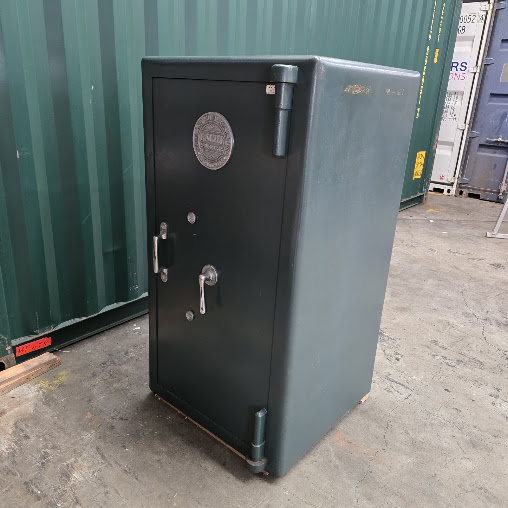
A 400-kilogram safe doesn’t look like trouble until it’s wedged between a doorframe and a staircase railing. On paper, the job seems manageable with four people and a dolly. Then you actually try lifting it. And the base is narrower than a fridge, the weight sits low and dense, and there’s nowhere to go once it starts tilting the wrong way.
That’s usually when the gap between a general mover and a safe specialist stops being theoretical. Furniture bends a little if it’s handled roughly; a box survives a bump or two. A safe doesn’t give you that room. Plus, misjudging a staircase angle or a doorway’s clearance leaves little chance of fixing the problem mid-move, often resulting in a cracked tile, a jammed locking mechanism, or someone injuring their back under the weight.
So what actually makes this job different, and what should you be checking before you hand anyone a safe relocation in Sydney? That’s what this guide gets into: the physical reasons a safe behaves nothing like other heavy items, the damage that shows up when it’s handled without the right experience, and how to actually vet a safes mover in Sydney before booking one.
Understanding the Challenges of Safe Relocation in Sydney
Most heavy furniture spreads its weight across a wide base, which is part of why a fridge or a wardrobe can be tilted, walked, and guided through a doorway without much drama. A safe relocation in Sydney doesn’t work that way. Its weight is packed into a small footprint, often low to the ground, which means the same tilt that’s harmless in a wardrobe can send a safe off-balance fast. Once that happens, there’s rarely a clean way to correct it mid-move.
Clearance adds another layer to the problem. Doorways, stairwells, and tight turns leave very little margin for a safe’s dimensions, and a measurement that’s off by even a few centimetres can bring a move to a complete stop. There’s also the mechanism itself to consider. Sydney safes aren’t built to sit on their side or upside down for extended periods, and doing so risks throwing the bolt work out of alignment, sometimes permanently. None of this is obvious until the safe is already in motion, which is exactly why it catches so many people off guard.
Why Professional Safe Movers Are the Best Choice
Most people call for a professional safe removalist in Sydney only after a DIY attempt has gone wrong. That’s no coincidence, since DIY moves are among the most common reasons a safe ends up damaging property or hurting the people carrying it.
A safe carries real weight, both literally and in terms of what’s stored inside it, and that’s not something worth gambling on a rented dolly and a few extra hands. The sections below break down exactly what a professional team brings to the job that a general move simply can’t.
Expertise in Handling Heavy Safes
Years of moving safes teach a team things no amount of general moving experience covers, like reading how a safe’s weight will shift on an incline or recognising when a doorway needs a different approach entirely. That judgement only comes from having done the job before, repeatedly, on safes of different sizes and builds.
Access to Specialised Moving Equipment
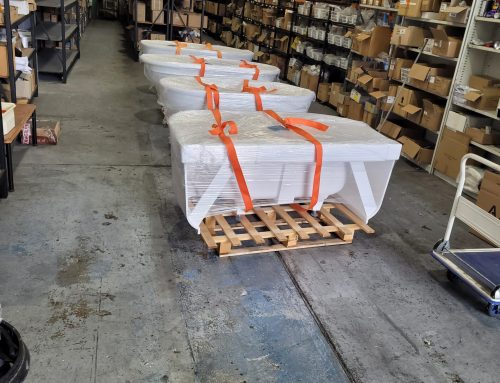
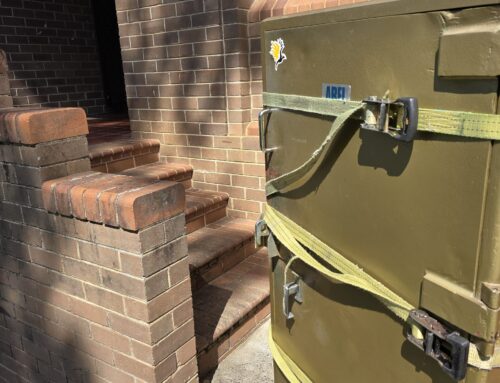
Heavy-duty trolleys, ramps, and rigging straps aren’t standard kit for a typical moving truck. They’re built to carry a safe’s weight properly instead of relying on brute strength at the exact moments when strength alone won’t cut it, which matters most on stairs or uneven ground.
Preventing Injuries and Property Damage
A safe handled without the right technique puts backs, fingers, and floors at risk in equal measure. Professional movers plan the route and the lift before anything is picked up, which is what keeps a heavy, awkward object from becoming a hazard halfway through the job.
Safe Transportation and Secure Placement
Getting a safe out the door is only half the job. It also needs to arrive and be positioned correctly at the other end, without being dragged across new flooring or left at an angle that strains the locking mechanism.
Insurance Coverage and Peace of Mind
A fully insured team means a safe’s value, and everything inside it, is protected if something does go wrong during the move. That coverage is what turns a stressful part of relocating into one less thing to worry about.
Taken together, these five factors are what separate a safe relocation in Sydney that goes smoothly from one that ends in a damaged floor or an injured back. The upfront cost of hiring a specialist is small compared to what’s at stake if the job goes wrong.
Types of Safes Professionals Can Move
Not every safe presents the same challenge, and that’s exactly why experience across different types matters as much as raw strength does. A team that’s only ever moved small document safes can still be caught off guard by a gun safe’s dimensions or a bank safe’s sheer density.
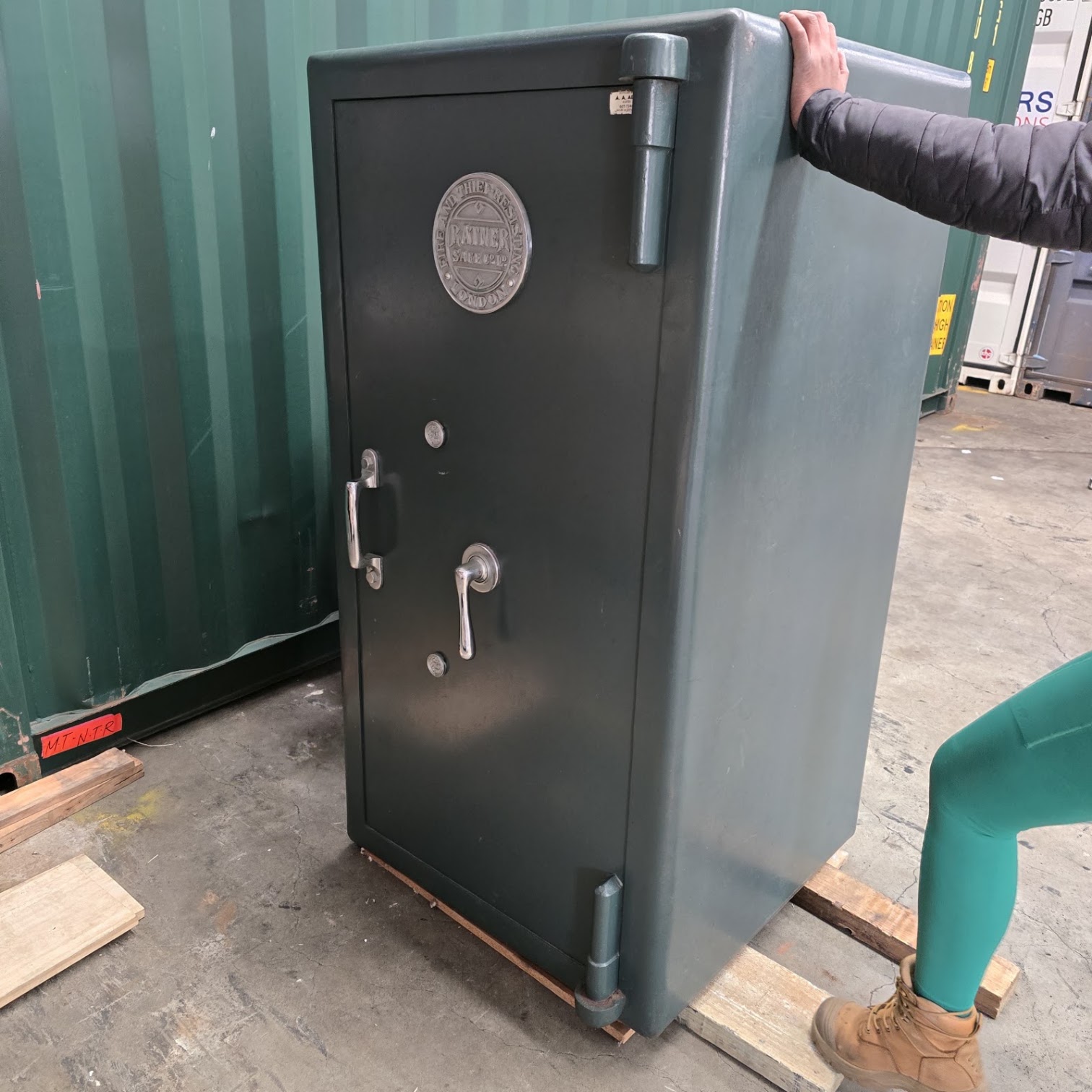
Home and Domestic Safes
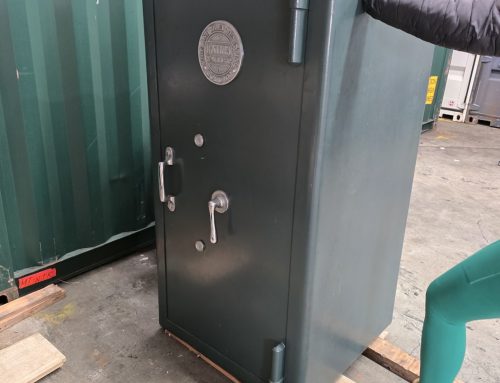
These safes sit in bedrooms, closets, and home offices, and they’re smaller but still surprisingly heavy for their size. A smaller footprint doesn’t make the job easier. It often just leaves less room to get a proper grip during the lift.
Office and Business Safes
Office safes tend to be larger and heavier than home safes – built to hold cash, documents, or equipment. Moving one usually means working through tighter commercial spaces, past reception areas, or through lifts and loading docks.
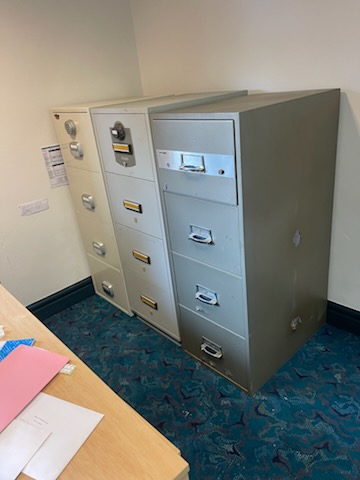
Fire-Resistant Filing Cabinets
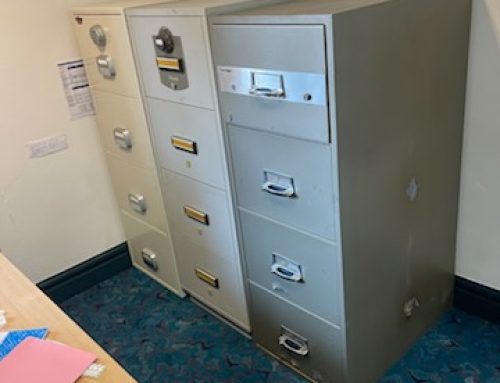
These cabinets are packed with dense materials that protect important documents from heat, and the same construction makes them much heavier than they appear. Moving them requires proper equipment and expertise, which is why hiring a heavy filing cabinets mover helps ensure safe handling, prevents damage, and makes the relocation process easier.
Bank and Document Safes
These are usually the heaviest safes on the list, built for maximum security with reinforced steel. Standard moving equipment often isn’t strong enough to handle them safely.
Knowing these differences ahead of time is what lets a mover bring the right equipment and plan for each job, instead of treating every safe the same way.
How to Choose the Right Safe Relocation Company in Sydney
A quick search for a safe removalist in Sydney turns up plenty of options. But not all of them have actually moved a safe before. That’s why understanding who is actually best for the job matters more than you’d think.
In order to find the right removalist for your safe, start by asking directly about their experience with safes specifically, the equipment they bring, and whether they’re insured for the full value of what’s being moved. A service that confidently answers with specifics (like how they’d handle a narrow stairwell or an awkward doorway) has likely done the job before and can handle yours as well.
It’s also worth asking what happens when a job doesn’t go exactly to plan, since even careful measurements can miss a tight turn or an unexpected step. If you’re searching for a safe removalist that can handle your job well, you need to look past who’s cheapest or fastest to book, and toward who can actually answer the hard questions about your specific safe and your specific access points before the day of the move.
Sydney Safe Removals builds the process around exactly what the situation demands, with over 20 years of experience, full insurance, and equipment suited to safes up to 1.5 tonnes and 1.5 metres tall. For more information, you can check our website.
Conclusion
A safe deserves more thought than it usually gets on moving day. The weight, the balance, the clearance – each one has to be planned for before the safe leaves the ground, not figured out halfway down a staircase when there’s no room left to fix it. That’s the real difference between hiring any mover and hiring one who’s actually done this before.
If you’re planning a safe relocation anywhere in Sydney, Blue Mountains, Central Coast, or Wollongong, the smartest move is booking someone who asks about your safe’s weight and access points before quoting a price, not after. Sydney Safe Removals is fully insured and equipped to handle safes up to 1.5 tonnes and 1.5 metres tall, backed by the kind of experience that catches problems before they happen.
Get in touch today to talk through the details and get a clear plan in place before anything is lifted.
Frequently Asked Questions (FAQs)
How is a safe protected during transport to prevent damage?
Safes are secured with rigging straps and padded on specialised trolleys or vehicles built for heavy loads. This keeps them stable and prevents shifting or scratching in transit.
Is there a weight or size limit on the safes you can move?
Sydney Safe Removals handles safes up to 1.5 tonnes and 1.5 metres tall. Larger or heavier safes should be discussed directly before booking.
What happens if my safe doesn’t fit through a doorway or staircase?
This is exactly what route planning catches beforehand. Share your safe’s dimensions and access details early so any tight spots can be worked out in advance.
Can a safe be moved without disassembling anything, or does it sometimes need to be taken apart?
Most safes can be moved fully intact using the right equipment and technique. Disassembly is rare and only considered when access genuinely leaves no other option.
What information do you need from me before quoting the job?
The safe’s type, dimensions, and weight, along with pickup and drop-off access details. This helps in providing an accurate quote and planning the move properly.


Leave A Comment