

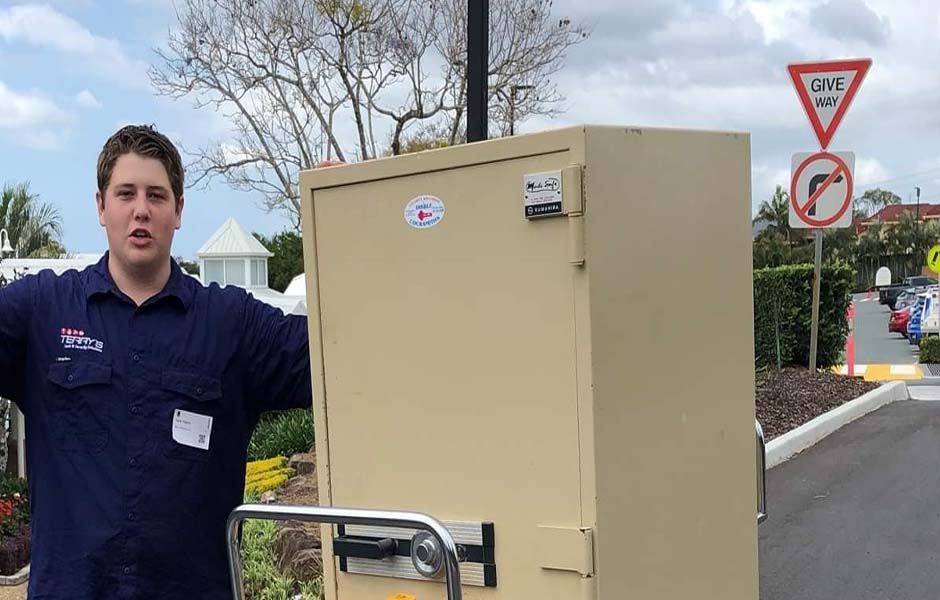
A safe looks like just another heavy item until someone actually tries to move one. Then the problems show up immediately: a weight that doesn’t lift or slide the way furniture does, a size that barely clears a doorway, and a centre of gravity that turns a small mistake into a serious one.
Most people only discover this the hard way, mid-move, with a safe stuck on a staircase or a floor that’s taken damage it shouldn’t have. This isn’t a general moving problem. It’s a specific one, and it gets more complicated in a city like Sydney, where narrow terrace stairwells, older homes, and apartment access rules turn an already difficult job into one with very little room for error.
Professional heavy safe removal in Sydney exists for exactly this reason. It’s not an upsell on a standard moving service; it’s a different skill set built around the specific ways a safe can go wrong, and why getting it right matters more than most people realize until they’re the ones standing next to a safe that won’t budge.
Why Heavy Safe Removal Requires Expert Handling
A safe doesn’t behave like other furniture, and the reason comes down to how its weight is built.
- Weight distribution. A wardrobe, a fridge, or a couch spreads its load across a wide base. A safe concentrates hundreds of kilograms into a small footprint instead, putting far more force on a floor, a staircase, or a pair of hands than its size would suggest.
- Centre of gravity. A safe’s weight sits low and compact rather than spread out, which means a slight tilt that’s harmless on lighter furniture can shift its balance fast, turning a controlled lean into a fall.
- Clearance. Doorways and staircases often leave only inches to work with, and once a safe is committed to an angle mid-move, there’s no room left to correct it.
That’s exactly why this isn’t a job to learn on the way. Every one of those three factors – weight, balance, clearance – has to be planned for before the safe is lifted, not worked out mid-move when there’s no room left to correct a mistake. Professional handling exists because guessing at any of this with a heavy safe already tilted is how floors get damaged, and people get hurt.
What Actually Goes Wrong without a Specialist
Most of the time, nothing goes wrong until someone’s already halfway through a doorway or partway down a staircase with a safe that’s heavier and less forgiving than expected. By then, there’s not much room left to correct course, and the damage is often already done.
- Floor and stair damage. A safe’s concentrated weight can crack tiles, dent hardwood, or crush carpet padding if it’s dragged or set down without the right equipment underneath it.
- Injury from manual lifting. Attempting to lift or tilt a safe by hand, without the right number of people or the right technique, is how backs get strained and fingers get crushed.
- A safe stuck mid-move. Misjudging clearance on a staircase or through a doorway can leave a safe wedged at an angle, with no safe way to move it forward or back.
- Damage to the locking mechanism. Safes aren’t built to be moved on their side or upside down for long. Doing so can throw the bolt work or locking mechanism out of alignment, sometimes permanently.
These aren’t rare, worst-case outcomes. They’re what tends to happen whenever a safe is treated like any other heavy item, which is exactly the gap professional handling is built to close.
Reasons Professional Heavy Safe Removal in Sydney Matters
Good equipment and a solid plan only work if the people using them know how to read a job as it unfolds. That’s what separates a safe move that goes to plan from one that doesn’t, and it’s what each of the following actually comes down to.
Proper Equipment
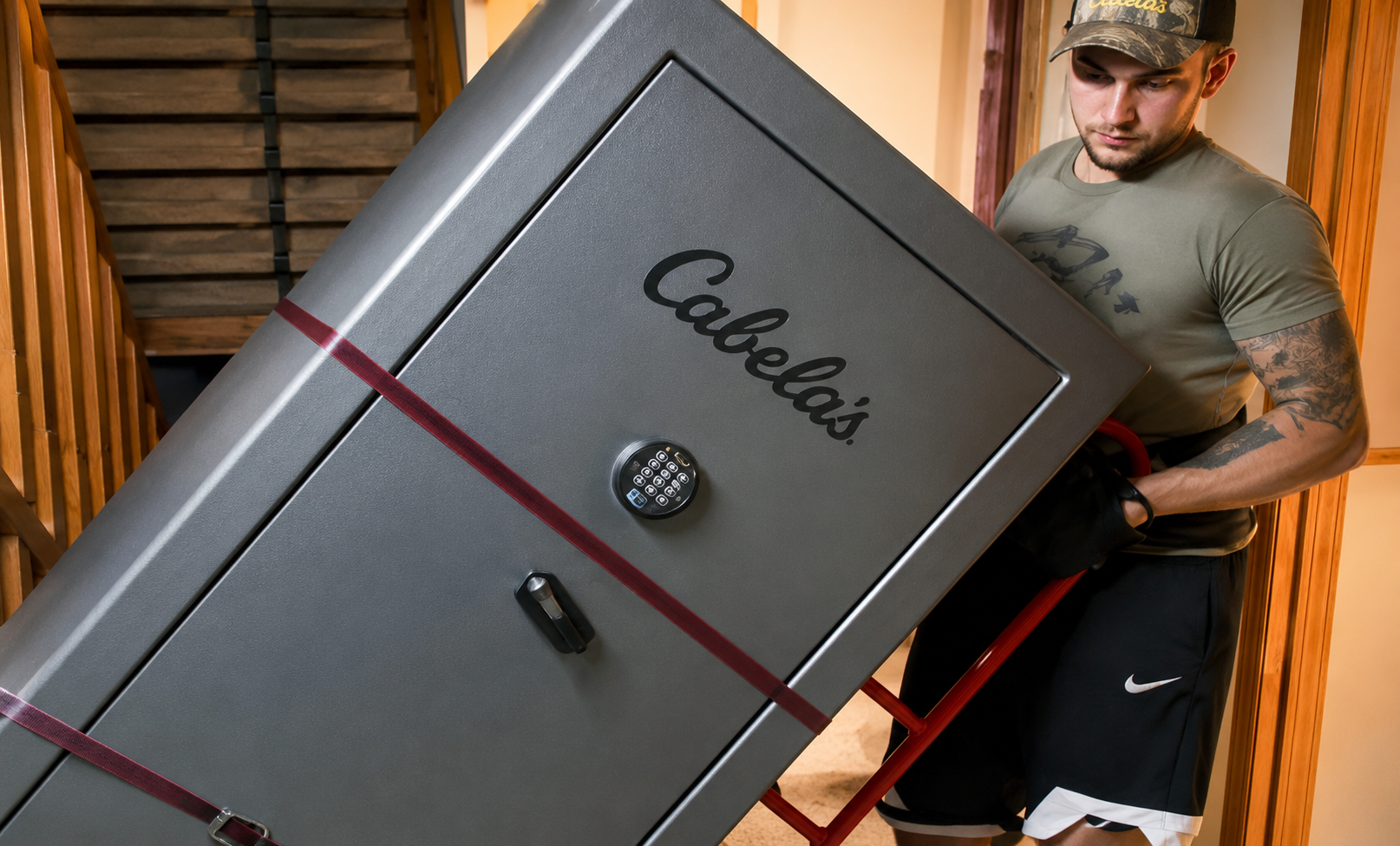
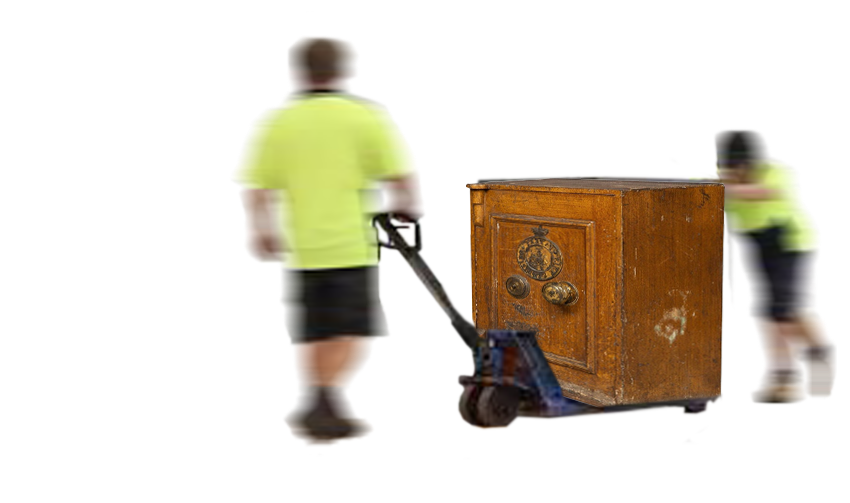
A safe’s weight needs to be carried, not dragged or lifted by hand. Heavy-duty trolleys, ramps, and rigging straps distribute that weight properly and keep it under control the entire time it’s in motion, instead of relying on brute strength at the exact moments when strength alone isn’t enough.
Route & Access Planning
Before a safe is ever lifted, the path it’s taking gets worked out first: doorway widths, staircase angles, tight turns, and anything that could stop the move halfway through. In Sydney specifically, that planning matters even more. Narrow terrace stairwells, older homes with tight hallways, and apartment buildings with strata rules or limited lift access all turn a straightforward move into one with very little margin for error.
Expert Techniques
Getting a safe from one room to another isn’t a solo effort. It takes more than one person moving in sync, each aware of their role at every step, whether that’s holding position, guiding direction, or managing the pace. A move where everyone is reacting individually is where mistakes happen; a move where the team is working off the same read of the situation is where they don’t.
Professional Team
Even a well-measured plan runs into surprises: a step narrower than expected, a doorframe that doesn’t quite match the listed dimensions. What separates a smooth outcome from a stalled one is a team of safe removalists that’s handled that kind of surprise before. Sydney Safe Removals brings that experience from over years of local jobs, fully insured and equipped to handle safes up to 1.5 tonnes and 1.5 metres tall.
How to Choose the Right Heavy Safe Movers in Sydney
Choosing a heavy safe relocation in Sydney isn’t the same as choosing a general mover, no matter how cheap the service seems. A safe’s weight is concentrated, and this simply means a wrong team, wrong equipment, or a wrong plan cannot work out.
Instead of focusing on “who’s available,” you should search for “who’s actually handled this before.” Ask the right service about their equipment, experience, and insurance. If the answer comes out in a way that seems to help, than gusswork – that’s the team you need to book.
Sydney Safe Removals is built around exactly this distinction. Years of local jobs across Sydney’s older homes, tight hallways, and strata-managed apartments have shaped a process that accounts for weight, balance, and clearance before a safe is ever lifted – not mid-move, when there’s no room left to correct it. The team is fully insured and equipped to handle safes up to 1.5 tonnes and 1.5 metres tall. You may contact Sydney Safe Movers for more information.
Conclusion
A heavy safe deserves more than a general moving crew and a bit of luck. The weight, the balance, the clearance: every part of the job has to be planned for before the safe leaves the ground, not worked out halfway down a staircase. That’s the difference professional handling makes, and it’s the reason this job exists as its own specialty rather than an add-on to standard removals.
If you’re planning a safe relocation anywhere in Sydney, the Blue Mountains, Central Coast, or Wollongong, Sydney Safe Removals is ready to help. Get in touch today for a fully insured, expertly handled move, because your safe deserves a team that’s done this before.
Frequently Asked Questions (FAQs)
- How far in advance should I book a heavy safe removal?
Safe removals need more lead time than standard furniture moves. Booking a few days to a week ahead is generally recommended, especially for larger safes or tricky access.
- Do you move safes to or from upper floors or apartments?
Yes, upper-floor and apartment moves are common, though they often involve extra planning around lifts, stairwells, or strata access rules.
- What if my safe doesn’t fit through a doorway or up a staircase?
This is exactly what route planning catches ahead of time. Share the dimensions and layout when you enquire, so it can be looked at before moving day.
- Do you also remove and dispose of unwanted safes?
Yes. Old, unwanted, or unused safes can be removed and disposed of responsibly, without you handling the weight or logistics yourself.
- Is the cost different from a standard furniture removal quote?
Yes, pricing is based on the safe’s weight, size, and access complexity, not a flat rate. Sharing basic details like dimensions and access upfront usually gets you an accurate quote.


Leave A Comment