

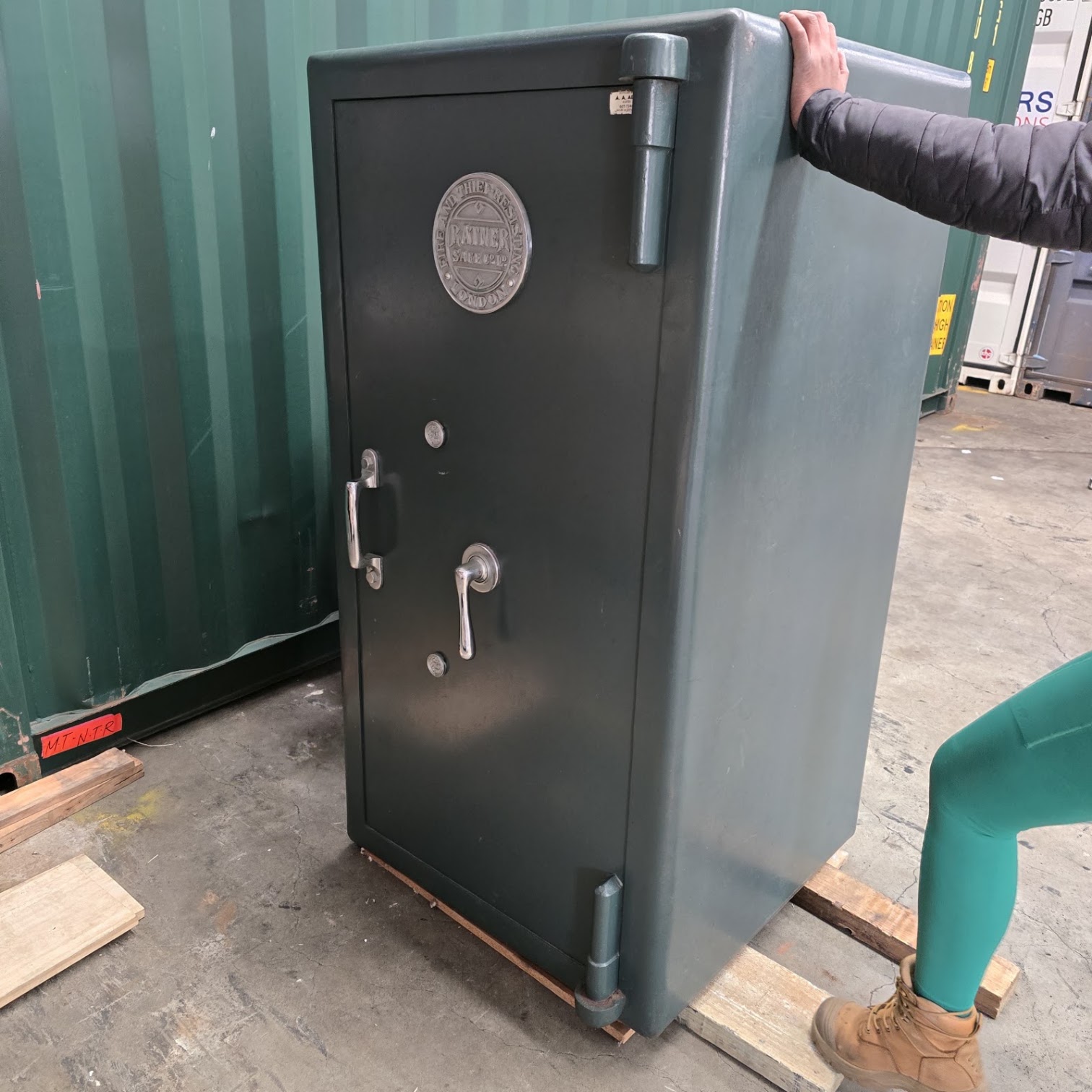
Most homeowners underestimate how challenging removing a safe can be. An unplanned heavy-item move usually fails in one of three ways: the item doesn’t fit through the doorway it was measured for, the crew doesn’t have the right equipment, or nobody checked the staircase angle before lifting started.
Any one of those can cause a delay, a damaged wall, or an injury. A professional safe removalist avoids all three by working backwards from the item’s exact weight and the property’s actual layout – not a generic checklist. They assess access points before the move date, bring gear built for that specific load, and follow a sequence that protects the floors and doorframes along the route.
This blog covers why heavy items are hard to move, how professionals plan around it, and what equipment and process help prevent damage along the way.
Why Moving Heavy Items Can Be Challenging
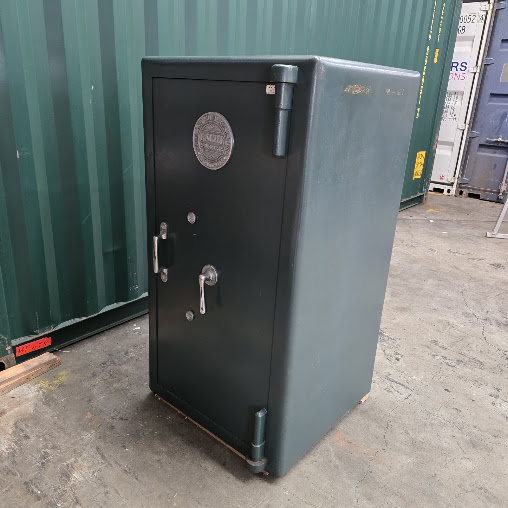
Unlike a wardrobe that spreads similar weight across a wider frame, a safe’s weight sits in one dense block. This concentration makes it harder to balance and quick to tip if the angle shifts.
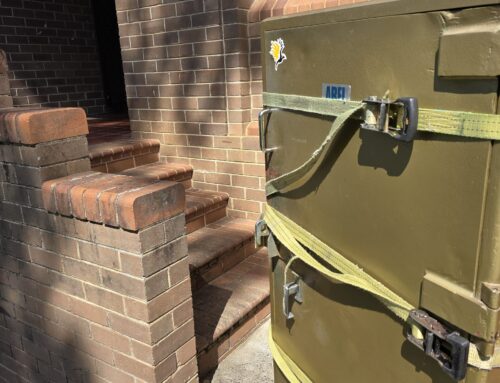
Doorways and staircases raise the difficulty further. A safe measured for a doorway on paper can still jam once movers account for turning angles. Staircases complicate things more, since the load shifts with every step.
Common obstacles that turn a simple move into a risky one:
- Dense, unbalanced weight that shifts during lifting
- Doorways too narrow for straight-line manoeuvring
- Staircases with turns or steep angles
- Flooring that buckles under concentrated pressure
- Standard equipment not rated for the actual load
Stack two or three of these together, which happens on most real jobs, and the margin for error narrows fast.
How Professional Safes Removalist Plans the Move
A professional removalist checks its exact weight and measures every doorway and turn ahead of time, instead of finding out something’s wrong halfway through the lift.
Here’s how a removalist plans the move step-by-step.
Weight and Dimension Check
This confirms the exact weight and size before anyone picks equipment or decides how many people the job needs. Skip this step, and you end up with an undersized trolley or a crew that’s short-handed once the lifting starts.
Doorway and Hallway Measurement
Every doorway, turn, and hallway along the route gets mapped out beforehand. That’s what catches a tight clearance early, rather than hitting a jam with the safe stuck halfway through.
Staircase Assessment
The staircase gets checked for angle, landing space, and how much weight it can actually bear, all before safe moving day arrives. A steep or narrow staircase often means different equipment, or a bigger crew, than the job first looked like it needed.
Floor Protection Planning
Certain spots on the floor take the brunt of the pressure once a heavy safe rolls or rests on them. Movers identify those spots ahead of time and lay down padding or barriers before the item ever touches the ground.
Confirmed Timeline
Building access rules, lift bookings, and council restrictions all get sorted before the move date, not scrambled together on the day. Locking this in early is what keeps a paperwork issue from turning into a delay nobody saw coming.
This sequence turns a guess into a plan. Every obstacle from the previous section gets handled before the truck even shows up, not discovered halfway through the job.
Benefits of Hiring a Professional Safe Removalist
Planning for a safe move only works when the crew executing it has proper training and equipment. That’s why hiring a safe removalist changes the outcome of the entire job – not just who does the heavy lifting.
Here are some benefits of hiring a professional safe removalist.
Lower Injury Risk
Trained crews know how to handle the physical strain safes moving puts on the body. That experience cuts down on the back injuries and dropped-load accidents that untrained lifting often causes.
Fewer Property Damage Claims
Equipment matched to the actual load protects floors, doorframes, and walls throughout the move. A crew working without the right gear is far more likely to leave a scratch, dent, or crack behind.
One Booking Covers Everything
The same crew can handle unwanted furniture removal alongside the safe, cutting out the need for a second contractor. One quote, one appointment, one team responsible for the whole job.
Fixed Pricing, No Surprises
The price agreed before the job starts is the price on the final invoice. Nothing gets added once the truck arrives, regardless of how the job unfolds on the day.
Specialist Equipment Makes a Big Difference
General movers show up with dollies and straps built for boxes and furniture. None of that is rated for a safe’s dense, unbalanced weight, and using it anyway is how staircases and doorframes end up damaged.
| Equipment | How It Helps |
| Stair-Climbing Trolleys | Distributes weight across a tracked base, turning staircases into a controlled, step-by-step process instead of a tipping risk. |
| Load-Rated Ramps | Provides a stable incline rated for the safe’s weight, preventing the flex or shift that causes mid-transport drops. |
| Rigging Straps and Hoists | Secures the load through turns and lifts, stopping slips on staircases and tight corners. |
| Floor and Wall Protection Gear | Padded boards and corner guards absorb pressure at contact points, preventing scrapes, dents, and cracked flooring. |
| Team Lifting Equipment | Harnesses and lifting aids reduce physical strain on the crew, cutting dropped-load risk and injury on long carries. |
The right gear doesn’t replace a crew’s experience. It gives that experience something to work with, instead of forcing a workaround with tools built for a different job.
Hire a Professional Safe Removalist
Not every removalist is equipped for this job, and checking that before you book saves you from finding out on moving day. A few questions separate a qualified safe removalist from a generalist taking on work outside their depth:
- Do they ask for the safe’s weight and dimensions before quoting or guess over the phone?
- Do they carry insurance that specifically covers heavy-item damage, not just general contents?
- Can they show experience with a similar weight class, not just furniture and boxes?
- Will the same crew that quotes the job also carry out the move?
A removalist who answers all four with specifics, not reassurances, is the one equipped to handle a safe without turning your moving day into a repair bill.
Get your fixed, obligation-free quote from Sydney Safe Removals and book a crew that’s already answered these questions for hundreds of Sydney homes and businesses.
Frequently Asked Questions (FAQs)
- How long does a typical safe removal take?
Most residential safe removals take between one and three hours, depending on weight, access, and distance to the truck. Larger commercial units or difficult staircase access can extend this to half a day. - Is there a weight or size limit beyond which a safe can’t be moved at all?
Very few safes are truly impossible to move, but extreme weights may require cranes or wall removal in rare cases. A pre-move assessment identifies this before it becomes a problem on the day. - What’s the maximum weight a professional removalist can typically handle?
Experienced safe removalists commonly handle loads up to 1.5 tonnes with the right equipment and crew size. Heavier units may require specialised rigging or additional planning, so confirming this during the quote stage matters. - Do I need to empty the safe before it’s moved?
Most safes can be moved fully loaded if the crew’s equipment is rated for the combined weight. Some movers still recommend removing valuables as a precaution, so it’s worth asking directly. - What should I do to prepare my property before the crew arrives?
Clear the pathway from the safe to the exit, and make sure any pets or fragile items are out of the way. Confirming parking access for the truck also helps the job start on time.


Leave A Comment